LogoFrameless Servo
Start inquiry
LogoFrameless Servo
WhatsApp
LogoFrameless Servo

China-based frameless servo motor factory supporting OEM customization, quality control, and global delivery.

Email RFQ

[email protected]

Send email inquiry

Use email for formal RFQ details, drawings, and specification files.

WhatsApp

+86 18857971991

Start WhatsApp chat

Use WhatsApp for quick pre-RFQ clarification and response.

Products
  • Frameless Servo Motor Kits
  • Torque Motor Series
Solutions
  • Robot Joint Actuation
  • Medical Precision Motion
OEM Capabilities
  • Custom Electromagnetic Design
  • Manufacturing & QC
Resources
  • Blog
  • CAD Download Center
  • Datasheet Library
  • Certifications & Compliance
  • About
  • Contact / RFQ
  • Privacy Policy
  • Cookie Policy
  • Terms of Service
© 2026 Frameless Servo. All Rights Reserved.|China-based OEM frameless servo manufacturing support.
← Back to Products

Hollow Shaft Frameless Servo

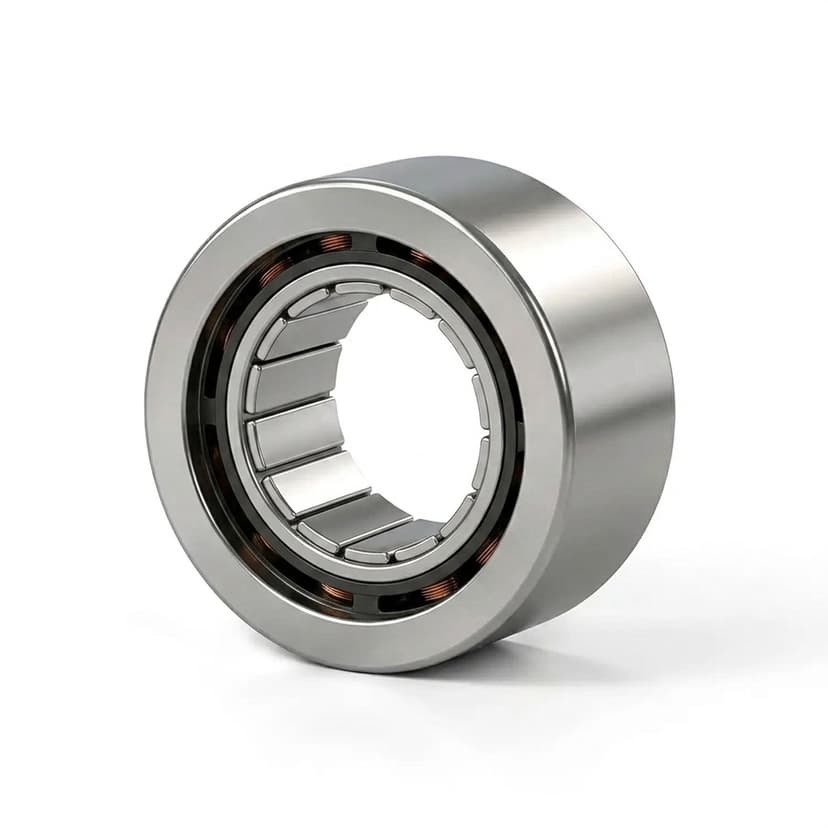
Large-aperture frameless-servo configurations designed for cable routing, optics channels, and compact integration.

Target Buyer:For system architects requiring cable-through or optical-through direct-drive structures.
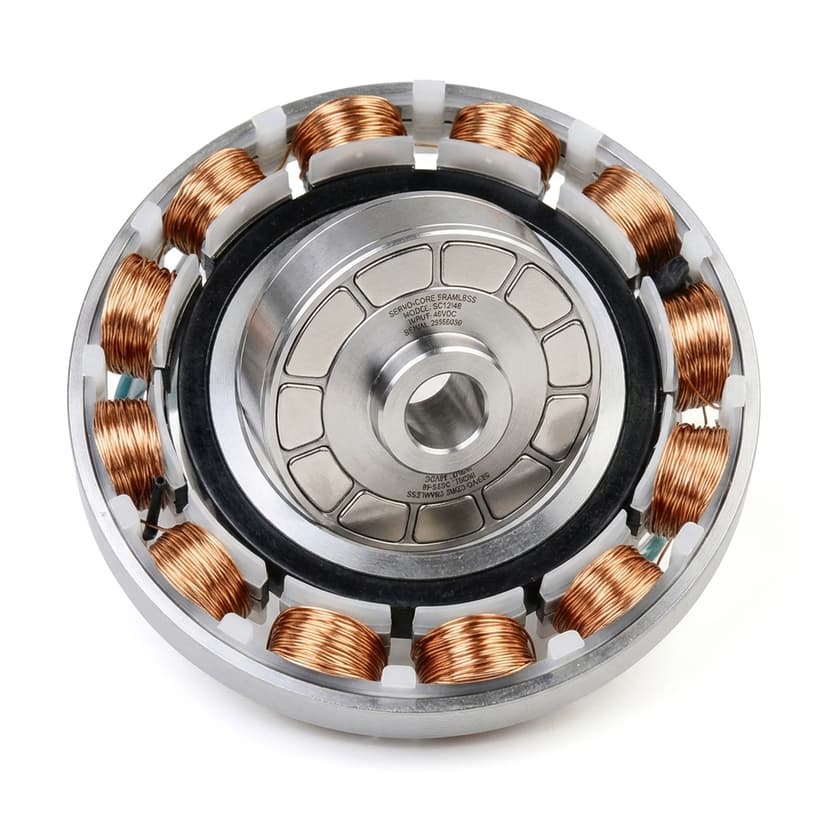
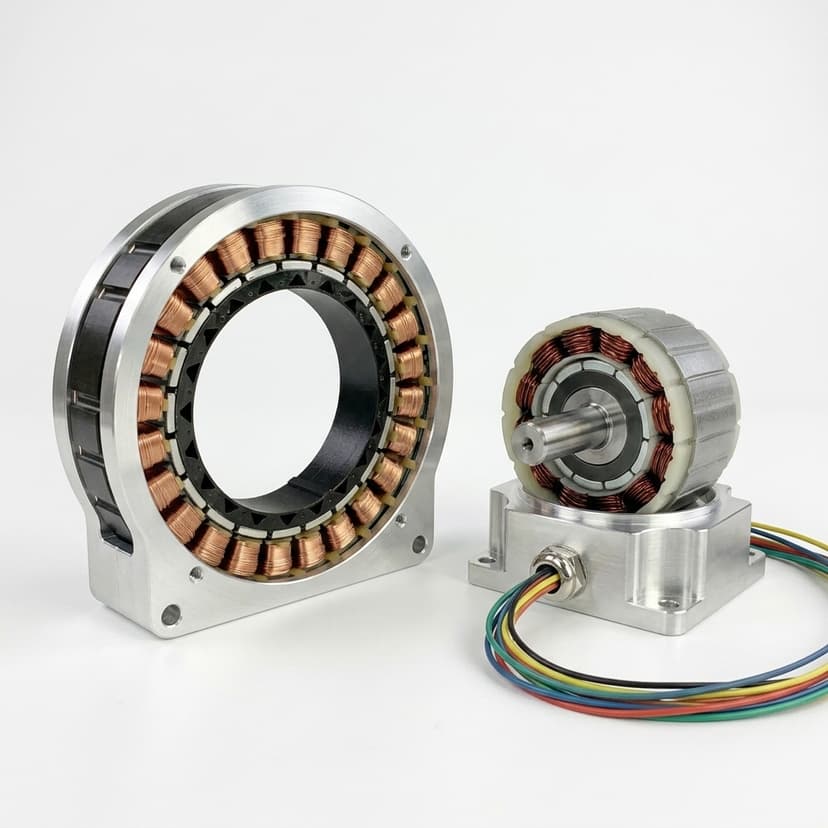
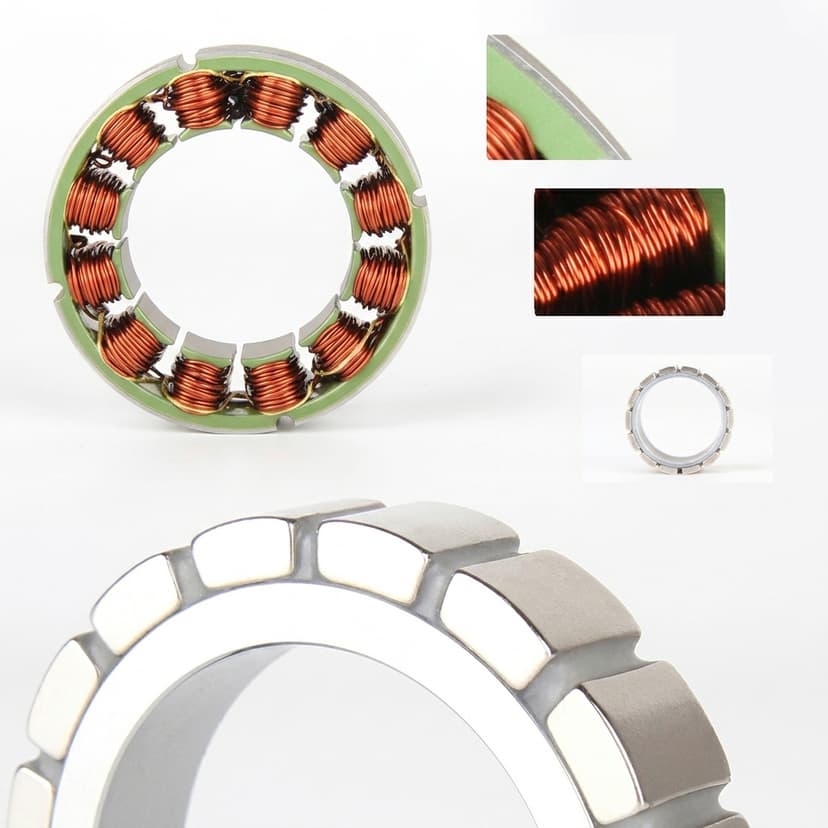
Frameless servo hollow and ring structure detail

Reference Technical Pack

Integration baselines for engineering review before sample freeze.

Drawing code: FSM-HOLLOW-BASELINERevision: REV.C

Dimensional baseline

ParameterBaselineIntegration note
Stator OD70 / 110 / 160 mmOD selection balances aperture demand and torque density.
Rotor ID40 / 72 / 108 mmLarge ID reserved for optics, cable bundle, or pneumatic routing.
Stack Height18 / 30 / 42 mmSelect by inertia target and available axial space.
Center routing clearance>= 2.0 mm radial marginKeep routing margin after connector and bend-radius check.

Integration notes

  • Center aperture values must be validated with full cable bundle and connector geometry.
  • Final release requires mechanical stack-up and route simulation sign-off.

Wiring and pin definition

InterfacePinsSignalIntegration spec
Phase LeadsU / V / W3-phase power22 AWG or 20 AWG by current class.
Feedback HeaderA / B / Z / 5V / GND / ShieldCommutation + indexShield tie to housing side only.
Temperature PairT+ / T-PTC 1KOptional dual-sensor mapping for critical duty.

Available test artifacts

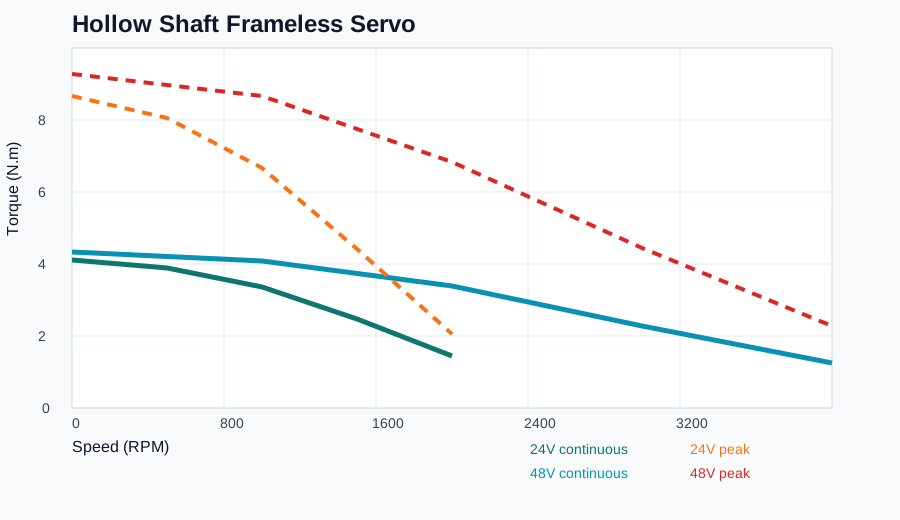
Torque-Speed Curve Preview

Hollow Shaft Frameless Servo torque-speed curve preview
ArtifactTest conditionOutput
Torque-Speed Curve (24V/48V)Project-selected winding and aperture classContinuous/peak boundaries by voltage class.
Inertia and response referenceRotor set only, no external loadPreliminary loop tuning and settle-time estimate inputs.
Thermal rise trendNominal continuous duty in controlled fixtureHeat path assumptions for customer housing design.
Request curves by emailRequest curves via WhatsApp

Controlled Technical Assets

Use these files for preselection. Final CAD and curve packages are released by project revision.

AssetFormatStatusScopeAction
CAD Delivery ManifestTXTrequest-gatedControlled aperture-focused CAD package scope and buyer inputs.Download
Torque-Speed Curve PreviewSVGsample-baseline24V/48V aperture-class continuous and peak preview.Download
Torque-Speed Data BaselineCSVsample-baselineSample 24V/48V aperture-class curve data points.Download

Baseline file downloads

FileFormatScopeAction
Spec BaselineCSVAperture-focused dimensions and motion references.Download
Wiring PinoutCSVSignal definition for routed-center integration.Download
RFQ Validation ChecklistTXTCenter-routing and response-risk control checklist.Download

Capability Highlights

  • High ID/OD ratio for pass-through integration
  • Compact axial profile for constrained assemblies
  • OEM-ready mechanical/electrical adaptation support

Typical Applications

  • Optical gimbal systems
  • Medical and lab automation joints
  • Integrated mechatronics requiring center pass-through

Engineering Focus

  • Define minimum center aperture and routing clearance
  • Validate stiffness and inertia impact at joint level
  • Confirm bearing and feedback integration method

Buyer Decision Criteria

Aperture is a system constraint, not only a motor dimension

The required center opening must include cable bundle, connector bend radius, optical path, shaft, bearing, encoder, and assembly clearance. A motor ID that looks sufficient can still fail after routing is modeled.
Rotor inertia affects control response

Large aperture designs can increase rotor inertia. Buyers should compare inertia against payload inertia and controller bandwidth before assuming a hollow-shaft option will settle quickly.

Connector orientation should be frozen early

Cable exit direction and connector space often create late interference. Treat routing as a CAD gate before sample release, especially for gimbals and compact medical/lab modules.

Key Evaluation Matrix

MetricTypical RangeWhy It Matters
Center Aperture CapacityProject-specific ID requirementDirectly affects routing feasibility and modular architecture.
Axial LengthShort-stack to long-stack optionsControls compactness and package-level integration freedom.
Rotor InertiaMatched to dynamic response targetInfluences settling time and servo response behavior.

Recommended Validation Plan

  1. Step 1

    Routing and keep-out review

    Model the cable path, center pass-through, bearing stack, feedback package, and service loop clearance before confirming motor ID.

  2. Step 2

    Inertia and settle-time check

    Review motor inertia, load inertia, target response, and acceptable settling behavior as a combined control problem, not as separate catalog lines.

  3. Step 3

    Assembly sequence review

    Confirm whether the stator, rotor, encoder, and cable bundle can be installed and serviced without damaging magnets, wires, or feedback alignment.

Evidence to Request

Aperture-focused CAD packageAsk for CAD that clearly shows center ID, axial stack, cable exit, mounting references, and any keep-out notes used by the factory.
Electrical and thermal assumptionsRequest winding constants, target voltage, continuous-duty assumption, and thermal path notes for the hollow-shaft variant under review.
Prototype acceptance checklistInclude aperture clearance, no-rub rotation, wiring integrity, Back-EMF, insulation, and runout-sensitive assembly checks if relevant.

Torque-Speed Evidence & Test Context

Performance review is based on project-matched operating conditions, with explicit continuous zone and short-duration peak zone boundaries. Validation context typically includes bus voltage, ambient condition, thermal limits, and duty cycle so engineering teams can compare like-for-like.

  • Continuous and peak torque-speed points by voltage class.
  • Working boundary notes for thermal and overload limits.
  • Test assumptions aligned with your use-case constraints.

Request CAD & Datasheet

Send your packaging envelope and target torque-speed points, and we will route CAD/datasheet support through [email protected] or WhatsApp +86 18857971991.

Email for CAD/DatasheetRequest via WhatsApp

RFQ Checklist

  1. Provide required aperture diameter and cable bundle dimensions
  2. Provide target inertia and response profile
  3. Share mechanical envelope and mounting references
  4. Define quantity split between prototype and MP

Risk Controls

  • Routing conflict appears after design freeze: Lock aperture, connector direction, and cable path in early CAD review.
  • Dynamic response misses target due to inertia mismatch: Co-validate load inertia and motor inertia during sizing review.

When This Product Is Not a Fit

  • The center pass-through requirement is not yet defined by real cable, optics, or shaft geometry.
  • The application needs an integrated bearing cartridge rather than a frameless stator/rotor set.
  • The system cannot tolerate the inertia tradeoff of a larger aperture rotor.

Product Gallery

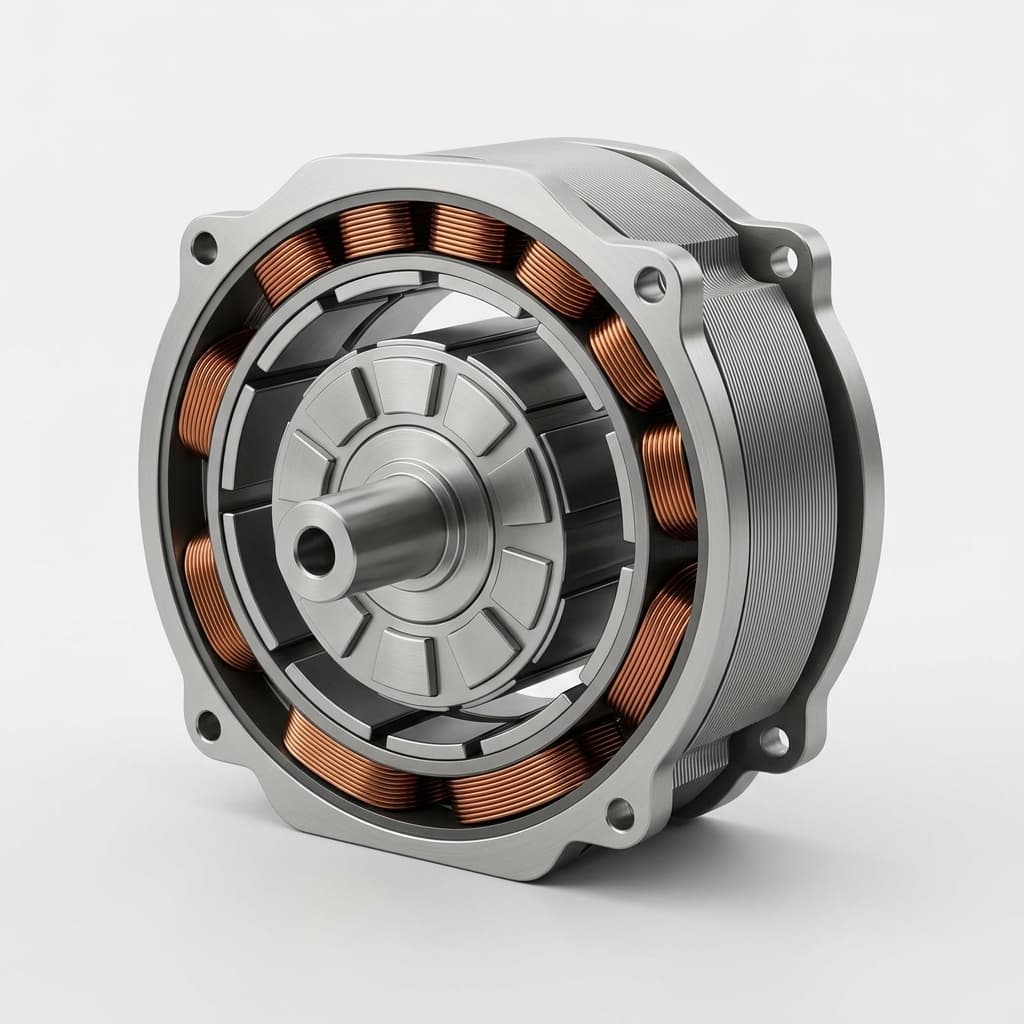
Hollow-shaft style frameless servo assembly

Buyer FAQ

Can you support custom cable and connector orientation?

Yes. We support project-specific connector, cable length, and exit direction requirements.

Can this platform be used for precision optics?

Yes. The platform is commonly evaluated for direct-drive precision motion where smoothness and compactness are required.

Related Resources

  • Precision Gimbal & Optics
  • Contact / RFQ

Email RFQ

[email protected]

Send email inquiry

Use email for formal RFQ details, drawings, and specification files.

WhatsApp

+86 18857971991

Start WhatsApp chat

Use WhatsApp for quick pre-RFQ clarification and response.