LogoFrameless Servo
Start inquiry
LogoFrameless Servo
WhatsApp
LogoFrameless Servo

China-based frameless servo motor factory supporting OEM customization, quality control, and global delivery.

Email RFQ

[email protected]

Send email inquiry

Use email for formal RFQ details, drawings, and specification files.

WhatsApp

+86 18857971991

Start WhatsApp chat

Use WhatsApp for quick pre-RFQ clarification and response.

Products
  • Frameless Servo Motor Kits
  • Torque Motor Series
Solutions
  • Robot Joint Actuation
  • Medical Precision Motion
OEM Capabilities
  • Custom Electromagnetic Design
  • Manufacturing & QC
Resources
  • Blog
  • CAD Download Center
  • Datasheet Library
  • Certifications & Compliance
  • About
  • Contact / RFQ
  • Privacy Policy
  • Cookie Policy
  • Terms of Service
© 2026 Frameless Servo. All Rights Reserved.|China-based OEM frameless servo manufacturing support.
← Back to Solutions

Precision Gimbal & Optics

Direct-drive frameless-servo solution path for stabilized optics and precision pointing systems.

Target Buyer:For teams building optical or stabilized motion systems where smoothness is critical.
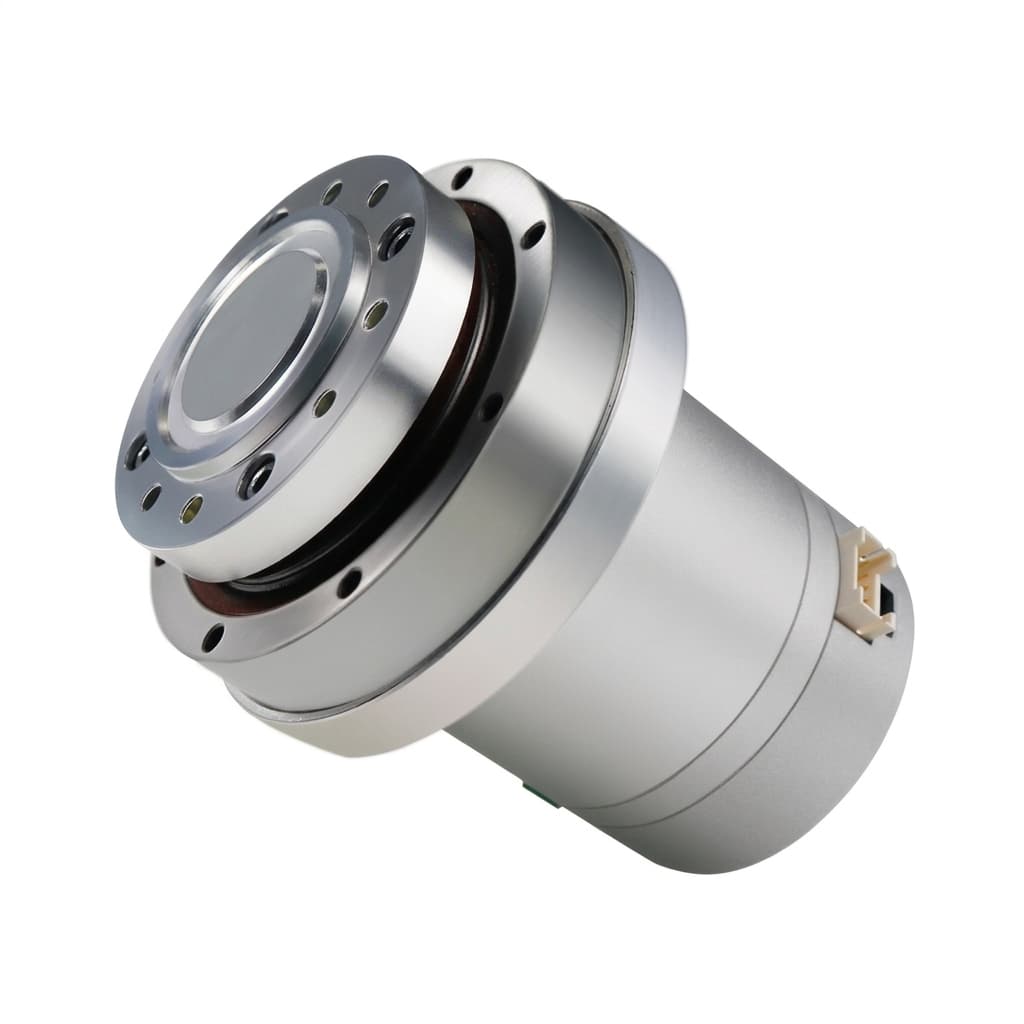
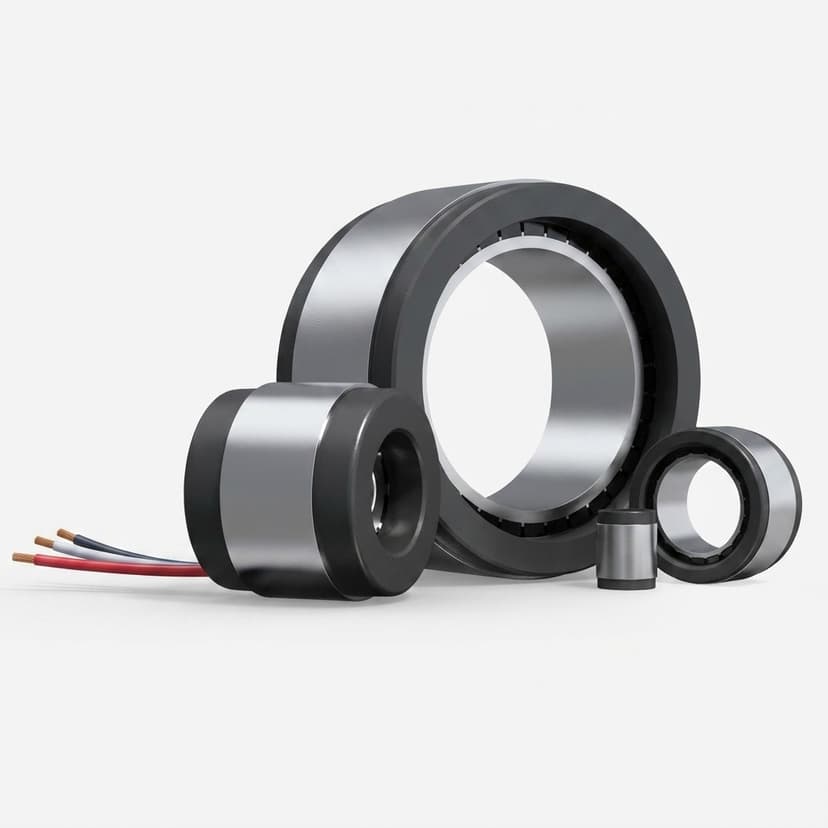
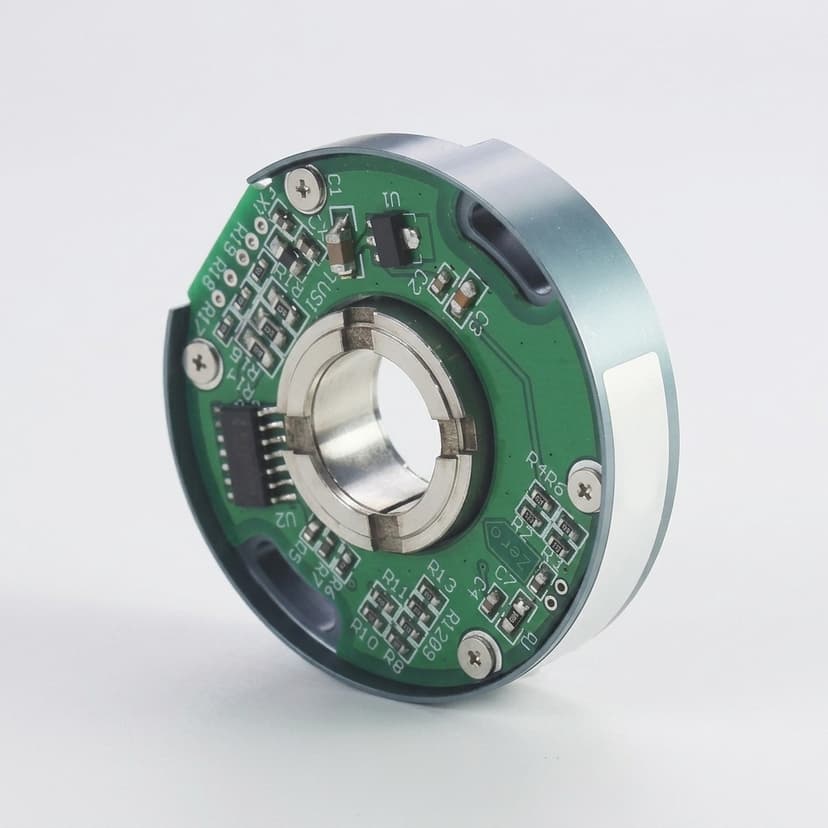
Precision gimbal and optics frameless motor integration

Solution Highlights

  • Compact direct-drive architecture with low backlash path
  • Support for hollow and large-aperture integration concepts
  • Structured tuning and validation support

Common Use Cases

  • EO/IR gimbal assemblies
  • Precision tracking and pointing systems

Implementation Focus

  • Low-speed stability and ripple behavior
  • Inertia matching for response and settle time
  • Cable routing and aperture integration constraints

Buyer Decision Criteria

Pointing stability depends on torque quality and mechanics together

A gimbal or optics stage needs smooth low-speed torque, low disturbance, stable feedback, and stiff mechanical support. Motor selection should be evaluated with payload inertia and structural resonance in view.
Cable and optical pass-through are early design gates

Center aperture, cable routing, connector direction, and service-loop clearance can dominate the design. These details must be reviewed in CAD before the motor is treated as selected.

Environmental assumptions affect usable margin

Outdoor, mobile, or high-altitude systems may face vibration, temperature swing, and limited heat sinking. Ask for thermal and inspection assumptions that match the intended operating environment.

Application Evaluation Matrix

Evaluation MetricTypical RangeBuyer Relevance
Pointing StabilityDefined by control and mechanical stackDetermines tracking quality and image stability.
Settle TimeApplication-specific targetDirectly affects dynamic tracking and repositioning performance.

Recommended Validation Plan

  1. Inertia and settle-time model review: Compare motor inertia, payload inertia, target acceleration, tracking speed, and acceptable settle time before sample release.
  2. Low-speed disturbance check: Define how the buyer will observe cogging, ripple, acoustic noise, and tracking error in the prototype, then request supplier evidence that supports the same concerns.
  3. Routing and environmental review: Freeze aperture, cable bend, thermal path, and environmental assumptions before finalizing the sample specification.

Evidence to Request

EvidenceWhy It Matters
Hollow-shaft CAD and keep-out notesAsk for aperture geometry, axial stack, cable exit, and interface datum so optical and electrical teams can review the same model.
Smoothness-related motor evidenceRequest Back-EMF, resistance, torque-speed, and available ripple-related data where pointing quality is sensitive.
Prototype test checklistInclude static balance assumptions, tracking/settling criteria, temperature observation, and cable movement checks.

How to Use This Page in the Buying Process

Use these points as a handoff sheet between engineering, procurement, and quality. The goal is not to pick a product label; it is to close what will be measured, who will approve the sample, and what evidence is required before repeat orders.

Before supplier screening

Turn the application, mechanical limits, voltage, duty cycle, and acceptance criteria into an RFQ brief that every supplier can answer in a comparable way.

During sample review

Use the validation plan as a pass/fail list. If the sample does not reproduce the real mounting condition, do not approve only from nominal torque.

Before production release

Connect technical evidence, quality control, and traceability to PO release so revision changes do not disappear in repeat orders.

RFQ Preparation Checklist

  1. Provide payload inertia and mounting geometry
  2. Provide tracking/settling requirements
  3. Provide aperture and routing constraints
  4. Define environmental and duty expectations

Risk and Mitigation

  • Oscillation due to inertia mismatch: Validate system inertia model and tune control gains with measured constants.
  • Routing-induced assembly rework: Lock center pass-through constraints in CAD at pre-sample stage.

When This Solution Is Not a Fit

  • The payload inertia and pointing-stability target are not yet estimated.
  • The optical or cable pass-through requirement is still undefined.
  • The project requires a complete stabilized gimbal assembly rather than motor-level supply and integration support.

Recommended Products

Compact aerospace-grade direct-drive motor assembly

Buyer FAQ

Can you support large-aperture configurations?

Yes. We support solution planning for applications requiring center pass-through concepts.

Can we request integration support during prototype stage?

Yes. We support prototype-stage technical alignment for integration and validation.

Related Resources

  • Hollow Shaft Frameless Servo
  • Contact / RFQ

Email RFQ

[email protected]

Send email inquiry

Use email for formal RFQ details, drawings, and specification files.

WhatsApp

+86 18857971991

Start WhatsApp chat

Use WhatsApp for quick pre-RFQ clarification and response.